
Dhaka 10:15 am, Sunday, 25 October 2026

PM Tarique Rahman Proposes Five Urgent Steps to Resolve Rohingya Crisis

Saiful Shaon - Special Correspondent
  • 03:25:00 am, Thursday, 24 September 2026
  • / 23

NEW YORK, September 23, 2026: Prime Minister Tarique Rahman has proposed five urgent measures to address the protracted Rohingya crisis, calling on the international community to move from managing displacement to ending it through a sustainable solution.

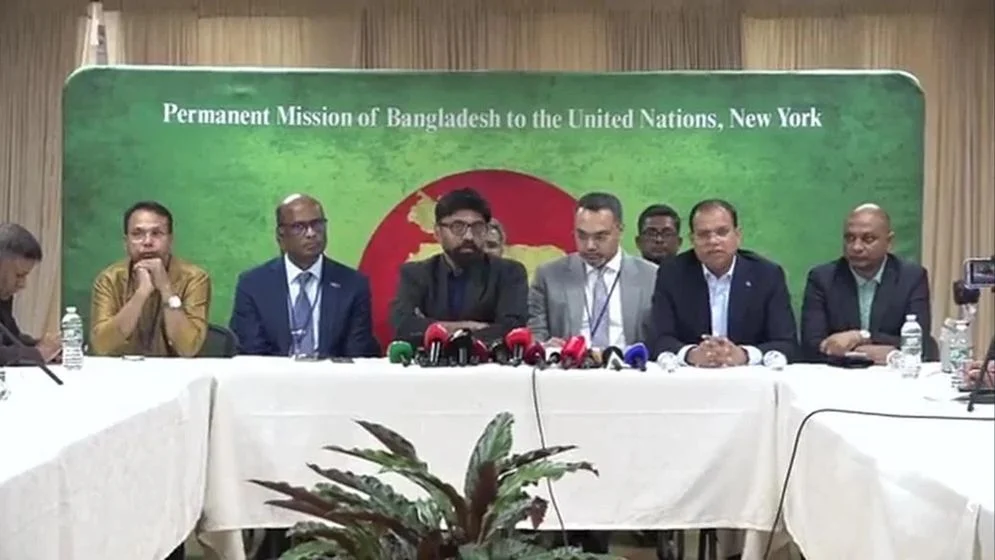
He made the proposals on Wednesday at a high-level side event titled “The Rohingya Crisis: A Renewed Call for a Durable Solution from Protracted Displacement, with Justice and Accountability” at the United Nations headquarters in New York. Bangladesh and The Gambia jointly convened the event.

The Prime Minister’s five-point proposal includes:

A credible repatriation roadmap: International and regional stakeholders should establish a clear roadmap for the early, safe, voluntary, dignified and sustainable return of Rohingyas to Myanmar.

End violence and ensure rights: Violence against civilians, including Rohingyas, must stop, while their fundamental rights and security in Myanmar must be guaranteed.

Sustained humanitarian assistance: The international community should ensure adequate and predictable humanitarian support for Rohingyas and the Bangladeshi communities hosting them.

Justice and accountability: International judicial and investigative mechanisms should continue receiving support, and those responsible for serious crimes should be held accountable.

Fight cross-border crimes: Regional and international cooperation should be strengthened to combat drug trafficking, human trafficking, digital scams, illegal arms and other transnational crimes.

Rahman said Bangladesh has been hosting more than 1.2 million Rohingyas for over nine years, providing food, healthcare and education. Around 6,000 learning centres are providing Myanmar curriculum-based education, while skills-development programmes are being offered to Rohingya youth to prepare them for eventual reintegration in Myanmar’s Rakhine State.

He warned that the prolonged crisis is placing growing social, economic, environmental and security pressures on Bangladesh and its host communities in Cox’s Bazar. Human trafficking, migrant smuggling, drug trafficking and other transnational crimes are among the emerging concerns.

The Prime Minister also highlighted the decline in humanitarian funding. According to his remarks, the 2025 Joint Response Plan sought more than $934 million, while the 2026 appeal was reduced to around $710 million, covering only minimum lifesaving needs.

Describing the situation in Myanmar as the root of the crisis, Rahman said conditions in Rakhine State remain concerning, with reports of forced recruitment, arbitrary detention, movement restrictions and forced labour affecting Rohingyas. He said allegations of serious violations have been reported against both the Myanmar military and the Arakan Army, leaving conditions for safe and dignified return unresolved.

“The crisis originated in Myanmar. Its solution lies in Myanmar,” Rahman said, stressing that Bangladesh does not want Rohingyas to remain displaced indefinitely.

He said Bangladesh is prepared to facilitate their return if the necessary conditions are created and urged the international community to share responsibility for creating a safe, voluntary and dignified pathway for repatriation.

Source: UNB, BSS, The Business Standard, Anadolu Agency.

Tags :

Share This Post

PM Tarique Rahman Proposes Five Urgent Steps to Resolve Rohingya Crisis

03:25:00 am, Thursday, 24 September 2026

NEW YORK, September 23, 2026: Prime Minister Tarique Rahman has proposed five urgent measures to address the protracted Rohingya crisis, calling on the international community to move from managing displacement to ending it through a sustainable solution.

He made the proposals on Wednesday at a high-level side event titled “The Rohingya Crisis: A Renewed Call for a Durable Solution from Protracted Displacement, with Justice and Accountability” at the United Nations headquarters in New York. Bangladesh and The Gambia jointly convened the event.

The Prime Minister’s five-point proposal includes:

A credible repatriation roadmap: International and regional stakeholders should establish a clear roadmap for the early, safe, voluntary, dignified and sustainable return of Rohingyas to Myanmar.

End violence and ensure rights: Violence against civilians, including Rohingyas, must stop, while their fundamental rights and security in Myanmar must be guaranteed.

Sustained humanitarian assistance: The international community should ensure adequate and predictable humanitarian support for Rohingyas and the Bangladeshi communities hosting them.

Justice and accountability: International judicial and investigative mechanisms should continue receiving support, and those responsible for serious crimes should be held accountable.

Fight cross-border crimes: Regional and international cooperation should be strengthened to combat drug trafficking, human trafficking, digital scams, illegal arms and other transnational crimes.

Rahman said Bangladesh has been hosting more than 1.2 million Rohingyas for over nine years, providing food, healthcare and education. Around 6,000 learning centres are providing Myanmar curriculum-based education, while skills-development programmes are being offered to Rohingya youth to prepare them for eventual reintegration in Myanmar’s Rakhine State.

He warned that the prolonged crisis is placing growing social, economic, environmental and security pressures on Bangladesh and its host communities in Cox’s Bazar. Human trafficking, migrant smuggling, drug trafficking and other transnational crimes are among the emerging concerns.

The Prime Minister also highlighted the decline in humanitarian funding. According to his remarks, the 2025 Joint Response Plan sought more than $934 million, while the 2026 appeal was reduced to around $710 million, covering only minimum lifesaving needs.

Describing the situation in Myanmar as the root of the crisis, Rahman said conditions in Rakhine State remain concerning, with reports of forced recruitment, arbitrary detention, movement restrictions and forced labour affecting Rohingyas. He said allegations of serious violations have been reported against both the Myanmar military and the Arakan Army, leaving conditions for safe and dignified return unresolved.

“The crisis originated in Myanmar. Its solution lies in Myanmar,” Rahman said, stressing that Bangladesh does not want Rohingyas to remain displaced indefinitely.

He said Bangladesh is prepared to facilitate their return if the necessary conditions are created and urged the international community to share responsibility for creating a safe, voluntary and dignified pathway for repatriation.

Source: UNB, BSS, The Business Standard, Anadolu Agency.