

Bangladesh Raises Fuel Prices by Tk 20 per Litre Amid Global Energy Crisis

- 01:50:58 am, Monday, 21 September 2026
- / 20
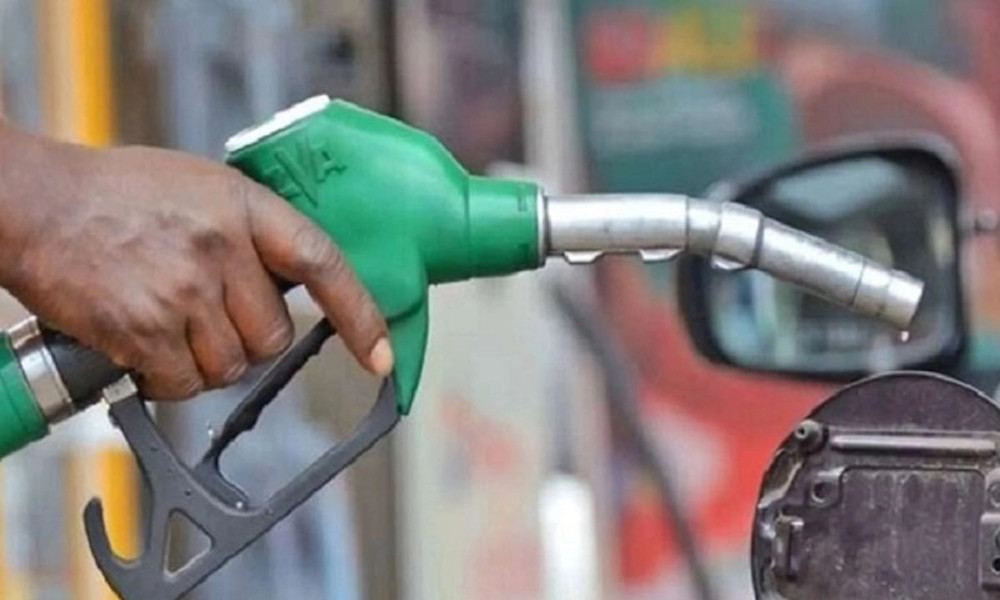

The Bangladesh government has increased the prices of diesel, kerosene, octane and petrol by Tk 20 per litre amid rising global fuel prices and mounting financial pressure on the state-owned Bangladesh Petroleum Corporation (BPC).
The new prices were announced in a press release issued by the Ministry of Power, Energy and Mineral Resources on Sunday night, September 20. The revised prices have been set in line with international market rates.
Under the new pricing structure, diesel will now cost Tk 135 per litre, up from Tk 115. Kerosene has increased from Tk 135 to Tk 155, octane from Tk 145 to Tk 165, and petrol from Tk 140 to Tk 160 per litre.
Before the latest adjustment, diesel was being sold at Tk 115, octane at Tk 145, petrol at Tk 140 and kerosene at Tk 135 per litre.
According to the Energy and Mineral Resources Division, international fuel prices and freight charges have risen significantly since March 2026 due to the ongoing conflict in the Middle East. Although global fuel prices have more than doubled, domestic prices were kept unchanged for several months in consideration of public interest.
As a result, the BPC incurred losses of around Tk 22,875.66 crore between March and August, according to the ministry.
The government had last increased the price of diesel by Tk 15 per litre on April 18, setting it at Tk 115. Despite further increases in international prices, domestic fuel prices remained unchanged for nearly five months.
The Energy Division said the price gap between Bangladesh and international markets has also increased the risk of fuel smuggling to neighbouring countries. The latest adjustment is intended to curb smuggling, reduce pressure on foreign exchange reserves and lower BPC’s financial losses.
The ministry said that selling diesel at current international market prices would result in a loss of around Tk 89 per litre for the BPC. This could amount to approximately Tk 109 crore in daily losses and nearly Tk 40,000 crore annually.
The government estimates that the Tk 20-per-litre increase could reduce the BPC’s annual losses by around Tk 10,000 crore.
Meanwhile, rising global energy costs have also increased the cost of LNG imports. The government has been required to spend additional funds to maintain uninterrupted energy supplies amid the ongoing crisis.
Through the latest fuel price adjustment, the government aims to reduce BPC’s financial losses, ease pressure on foreign currency reserves and address the risk of fuel smuggling.
Share This Post
Information about the author