
Dhaka 9:06 pm, Friday, 23 October 2026

Himalayan Glaciers Melting Rapidly, Posing Risks to India’s Economy

Saiful Shaon - Special Correspondent
  • 12:17:47 pm, Tuesday, 15 September 2026
  • / 28

People have been killed and widespread destruction has occurred in several incidents, highlighting the growing environmental risks in the rapidly changing Himalayan region.

According to a report by global consultancy firm Systemiq, Himalayan glaciers are currently losing their mass at a rate 65% faster than they were a decade ago.

The report was jointly prepared with the Integrated Mountain Initiative, with technical support from the International Centre for Integrated Mountain Development (ICIMOD) and the G.B. Pant National Institute of Himalayan Environment.

However, the report noted that the findings are based on detailed and continuous monitoring of only 21 glaciers out of an estimated 40,000 glaciers across the Hindu Kush-Himalaya-Karakoram region.

As a result, many glaciers in the Himalayan region remain outside the scope of observation.

The lack of monitoring is particularly significant because conditions in the Himalayan region are changing extremely rapidly. As a result, many developments could potentially remain undetected.

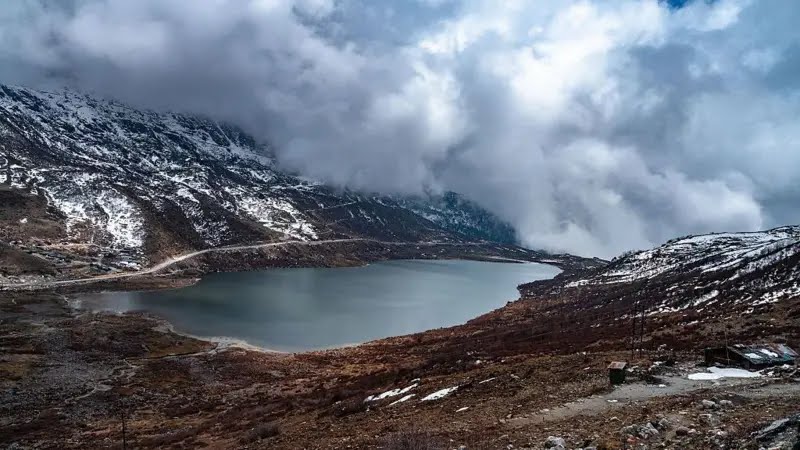
As glaciers melt, they can lead to the formation of large glacial lakes, which are often held back by fragile layers of rocks and ice. These lakes can pose a serious risk to downstream communities and infrastructure if the natural barriers collapse.

Source: BBC Bangla

Tags :

Share This Post

Himalayan Glaciers Melting Rapidly, Posing Risks to India’s Economy

12:17:47 pm, Tuesday, 15 September 2026

People have been killed and widespread destruction has occurred in several incidents, highlighting the growing environmental risks in the rapidly changing Himalayan region.

According to a report by global consultancy firm Systemiq, Himalayan glaciers are currently losing their mass at a rate 65% faster than they were a decade ago.

The report was jointly prepared with the Integrated Mountain Initiative, with technical support from the International Centre for Integrated Mountain Development (ICIMOD) and the G.B. Pant National Institute of Himalayan Environment.

However, the report noted that the findings are based on detailed and continuous monitoring of only 21 glaciers out of an estimated 40,000 glaciers across the Hindu Kush-Himalaya-Karakoram region.

As a result, many glaciers in the Himalayan region remain outside the scope of observation.

The lack of monitoring is particularly significant because conditions in the Himalayan region are changing extremely rapidly. As a result, many developments could potentially remain undetected.

As glaciers melt, they can lead to the formation of large glacial lakes, which are often held back by fragile layers of rocks and ice. These lakes can pose a serious risk to downstream communities and infrastructure if the natural barriers collapse.

Source: BBC Bangla